
How I learned to start reading reviews and love the critic
Well folks, it’s that time again. A big game from a tentpole franchise is out and the internet has feelings. So, instead of chit-chatting about the never-ending clash of discourse, fandoms, and reviewers, I want to take a few minutes here today to help you (yes, you!) think how much you should care about reviews.
But wait! There’s more, that’s right friends, for the low low price of free, I’ll help you figure out how to read a review. My method may shock you.
As a website that does reviews, I won’t lie: we have a vested interest in getting people to read reviews. Shocking, I know. Here’s the thing though, reviews, as it relates to your excitement or enjoyment of something, don’t matter. Not really, anyways.
Let’s say, hypothetically, you’re stoked for Android Secundus: 4 Elsewhere—a game that is not riffing on an upcoming release. You’ve watched a handful of trailers, liked the previous titles, and generally feel like it seems like it’d be a good game. You’ve got a Wintendo¹ Coupon to cash in, or a spare $70 hanging around and you’re ready to spend it.
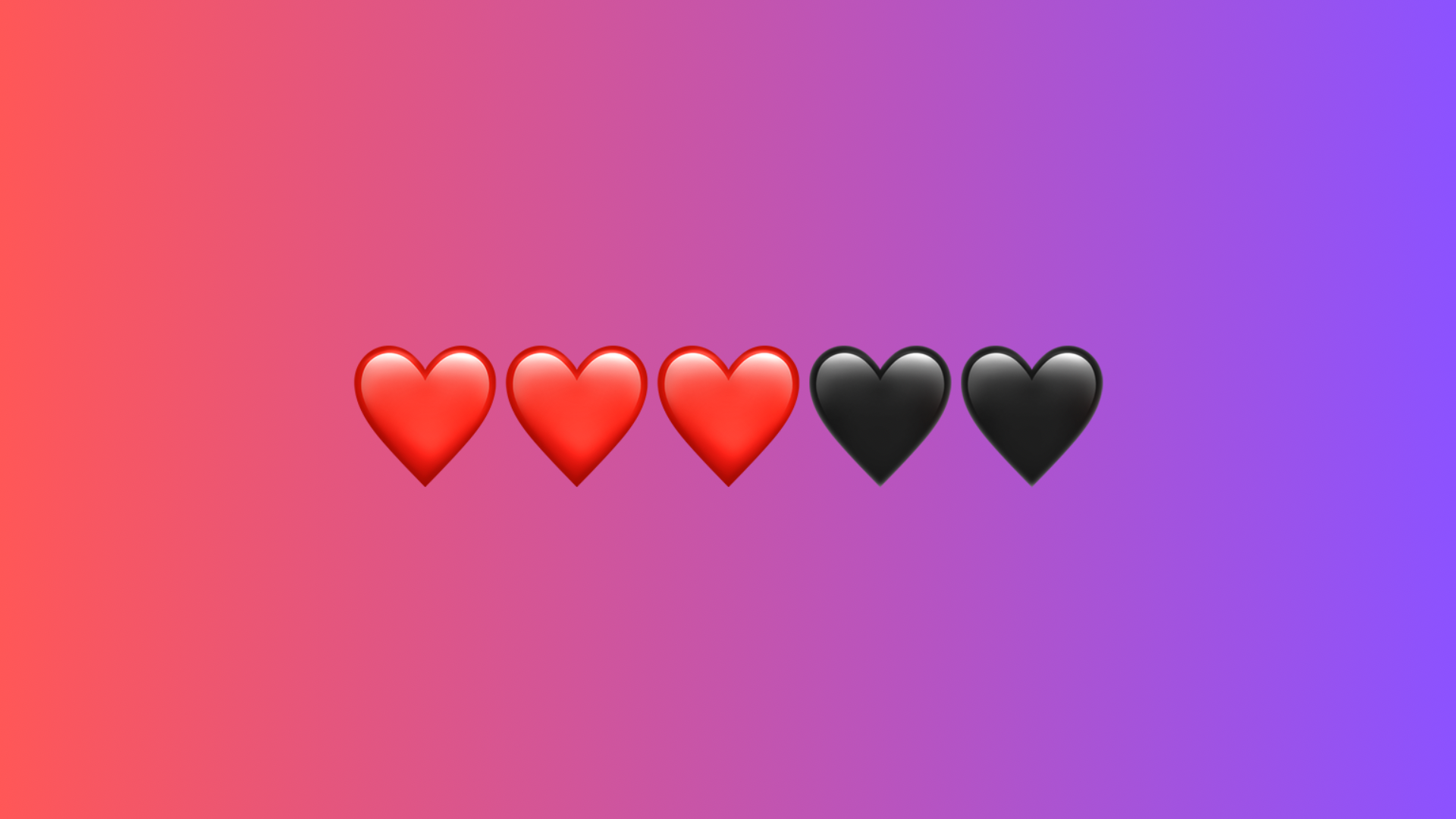
But wait! You just saw a review give it three stars. Before you click that link, ready to do battle with a reviewer, it’s time to apply my first patented move: Stop! If you’re already going to buy the game, you don’t need to know what a random person on the internet said about their very middle of the road experience. What you need to do is go find something else to do and wait for the release day. No amount of hate-scrolling the middle reviews is going to make you feel better, nor are you going to be able to change any minds.
Simply put, the only reasons you should be looking at reviews for a video game are:
- You only have so much money and you’re not sure if you want to spend it.
- You’ve never heard of this game and you generally like this reviewer. Maybe you’ll find something new to enjoy.
- You just like criticism and enjoy reading it.
This list is ranked by nerdiness. Reviews, in their basest form, are meant to help you make a choice. Is this—whatever “this” is—worth it—whatever “worth it” means to you. This is how 99% of the public engages with reviews: where ought I apply my dollars for maximum game? If you’re already going to buy Android Secundus: 4 Elsewhere, you’re looking for a one star review, because that’s the only thing that might dissuade you from buying it (is it buggy, is it a disaster, etc.). A three star will only make you mad.
The same goes for someone who isn’t interested at all in playing a game. Android Secundus is not your latest battle in a culture war against ladies in mech suits. If you got it in your head that no matter what you simply will never engage with Metroid Prime anyways, you’re just making yourself grumpy by engaging in positive coverage. The hateful boost you feel from reading a one star review will disappear the moment you read it. Go touch grass and hug a human being.
Oh, just one last thing: I know my fantasy critic friends will raise their hackles with this, but I fundamentally think that review aggregators like Metacritic and Opencritic are bringing the work of criticism down and should be avoided at all costs. Once you get IMDB-score-brained, you’re not engaging with criticism, you’re engaging in discourse. An aggregator may be a good place to start, but quantizing a game down to a number between 1 and 100 means nothing without the context. If you want to really learn about a game, you just gotta read a review.

Part 2: How to Read a Review
Surprise nerds, I’m about to help you stop being a shit on the internet.
Now that we’ve all decided my definition of a review is Right and Correct and Good, it’s time to talk about how to read (and find) them. Here’s some important information: reviews are written by people for publications. Those people have a thing called a “byline,” which, in a vastly reductive way, is a line at the top (or bottom, we don’t judge) of the review that tells you who it’s “by.” Easy, right? You’re going to want to pay attention to that.
Let’s go back to that three star review of not Metroid Prime 4: Beyond. The first thing you probably notice is the score. The second thing you notice is the publication and, if you’ve learned the vital lesson listed in the paragraph above, the third thing you notice is the byline. As you dig into the review, you might read something that doesn’t feel right to you, a super fan of Android Secundus. The reviewer may say something like, “I’ve always thought the combat in Android Secundus is boring,” to which you think in your head, “wait a minute, I always liked the combat.” This is, what we call on the dating apps, a red flag.

It’s not a red flag for the review, but it’s certainly one for you. It doesn’t invalidate the person’s review (remember, a person wrote the review), it simply indicates that this person’s view does not align with yours. At this point, you’re probably feeling like going to Bluesky or Twitter to quote post the article with a snarky bit of repartee. But, let’s remember Phil’s First Step of Patented Dealing with Reviews™️: STOP!
Let’s roll back the tape and see where you went wrong (Posting. It’s almost always posting). You forgot the most important thing you noticed: the byline. A review is written by a person and, because of how small the games industry is getting, that person probably has other reviews for this or other publications. What you should do in this moment is remember this person’s name. You know a very important piece of information about them: they don’t enjoy the combat of Metroid—sorry, Android—the way you do. This means that future (or past discussions) about Metroid’s combat written by this person should be taken with a grain of salt. They might say they enjoy the exploration though (an Android thing you also enjoy), so keep that in mind too for future games that show off exploration.
One of the most recent examples of this was Polygon’s review of Demonschool. While the review was informative and pointed in its criticisms, a lot of people bristled at the review because of its tone and the reviewer’s seemingly pre-determined disdain for the game. As Gaming Bluesky’s main character that day, I saw a lot of people missing the point: this review wasn’t for them. Was that writer the best person to write Polygon’s Demonschool review? Maybe not, but that’s mostly because it seemed like they had a miserable time playing it. Reviews, at their best, are pieces of criticism zeroing in on perhaps unnoticed pieces of game design and narrative, then providing an analysis that helps you make a purchasing decision or understand the work in a new or interesting way.

As you read more reviews of more games you like, or come to like, and read the bylines of those reviews, you’ll start to find reviewers or personalities your tastes align with. You’ll be interested in reading a review for a game you’ve never heard of from your favorite critics because you suspect this new game might be for you. I’ve never been closer to playing Deathstranding 2 than after hearing Vinny Caravela and Brad Shoemaker talk about their infrastructure projects.
You’ll also start to realize that scores don’t matter; it’s all subjective anyways, so a game I’d call a 5/10 could be a 10/10 for you. What’s the point in quantizing a game when we’ve transcended the mathematical and arrived in the critical? This is the great downfall of score aggregators. Sure, we can determine by algorithms and statistics that a game is an 84, but we don’t know why.
So, before you take to your keyboard to verbally assassinate someone who didn’t like a thing the same way you did, take a breath and go find another review. The proper reaction to a review isn’t public outrage, it’s seeking more reviews, engaging more in criticism, and elevating new voices. I mean, sheesh Davus from Android Secundus has to scan everything, you should at least have to read a few articles.
¹Wintendo is not to be confused with the major Japanese toy maker, Nintendo. Any similarities are just coincidence.