
Is there room for more consoles?
It’s the holiday season, which means we’re all spending far too much time in big box stores ambling through the aisles of mostly junk trying to find something that calls out to us for that one person in your family you’re obligated to get a gift for but don’t know well enough to have a cool pick from an indie bookstore or a local game shop. No? Just me?
I’ve been spending a lot of time wandering the aisles of major retailers lately and, if you haven’t in a bit, it’s startling how much the electronics section doesn’t have an Xbox in it. In fact, as the Xbox 360 anniversary came and went, the only actual Xbox console I could purchase at my local mega-corporation was an Xbox 360…Megabloks kit. If that isn’t a sign of Microsoft’s ambivalence towards the console market, I don’t really know what is.
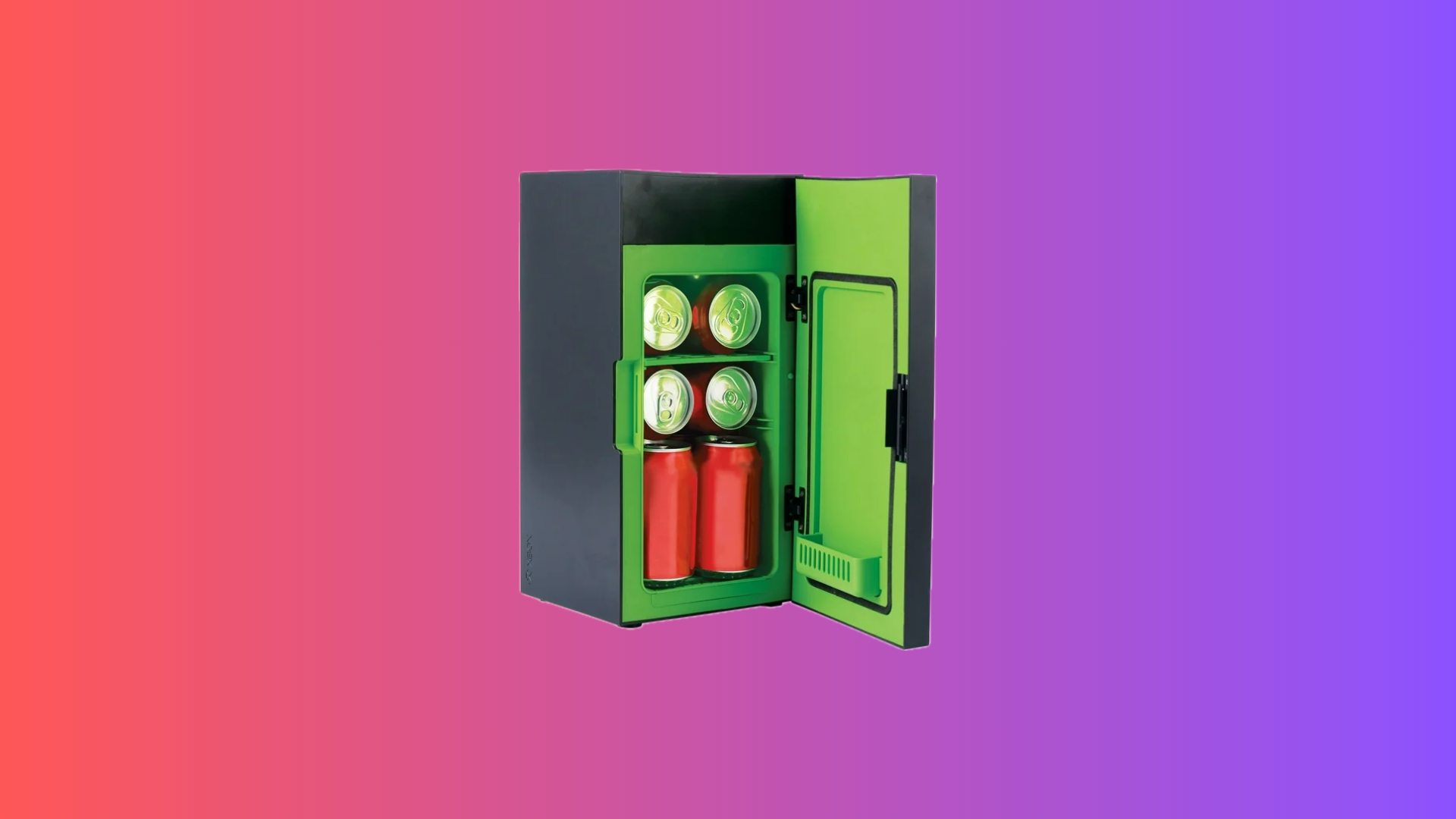
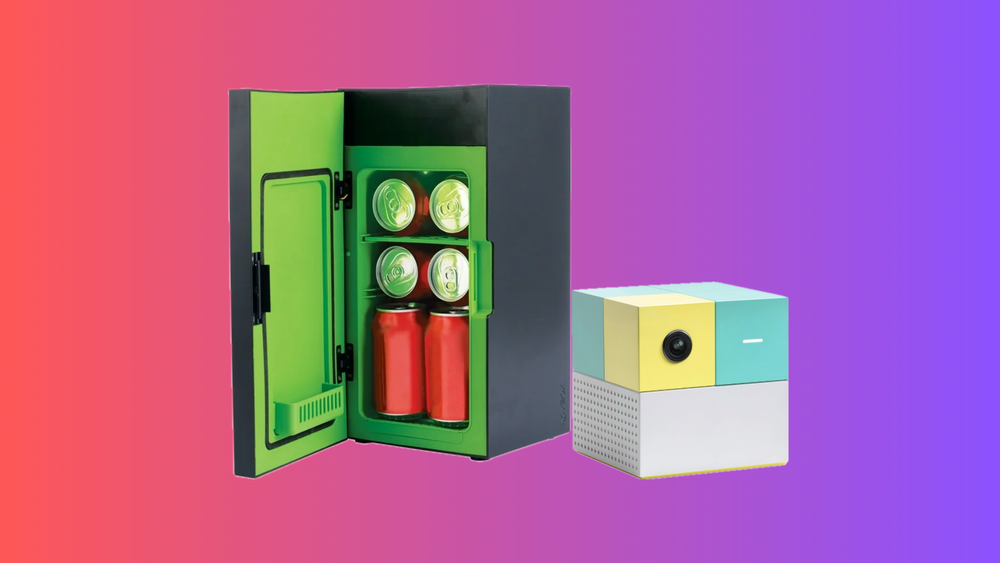
It’s not surprising that the decline of Xbox is hitting retailers, but it is shocking nonetheless to see the video game section have more plush offerings and amiibos than Xbox accessories. Combine that with the recent-ish announcement of the Steam Machine and Steam Frame, the ongoing success of the Steam Deck, and the hilarious data point shared by Mat Piscatella about the meteoric rise of the best selling video game console you’ve never heard of, the Nex Playground, and, well, it’s pretty obvious there’s blood in the water.
Xbox is on the outs and no amount of stickers claiming something is an Xbox will make it so. But, as big box retailers lose Big Green, is there room for another competitor or is this idea of console competition overrated?
The obvious answer, as made obvious by the array of new Steam hardware and, yes, the Nex Playground, is yes (to both questions). The market will sustain more competitors while, in the same breath, deny overwhelming marketshare to newcomers. Phil Spencer mentions often that the flubbed launch of the Xbox One is still something Xbox is trying to overcome. Lock-in on digital assets (games, DLC, community) becomes pivotal in choosing a console because, as prices rise, people want access to their backlogs of digital goods. In many ways, by decreasing investment and support in physical media, each console company has bargained on your backlog, hoping that that stack of license keys is enough to coerce you into spending $500 $600 $750 $800. And its obvious some have lost out.

Sony, Microsoft, and Nintendo battled in Walmart, Target, and Best Buy, hoping to use their flashy displays to woo ten year olds into putting their giant box on a Christmas list: a marketing plan that broadly hasn’t changed from the time of Toys R’ Us. But games take longer to make, the consoles are more expensive, and the flashy experiences are either cross-console, independent, or can run on a phone. The in-store experience shrinks almost every year, flashy boxes with manuals replaced by gift cards with key art on them. The Nintendo Switch section at my Walmart had 20 total game boxes, most of them for the Nintendo Switch 1 and almost all of them multiple years old. Did you know they sell a physical box with Transformer items for Fortnite? I didn’t either.
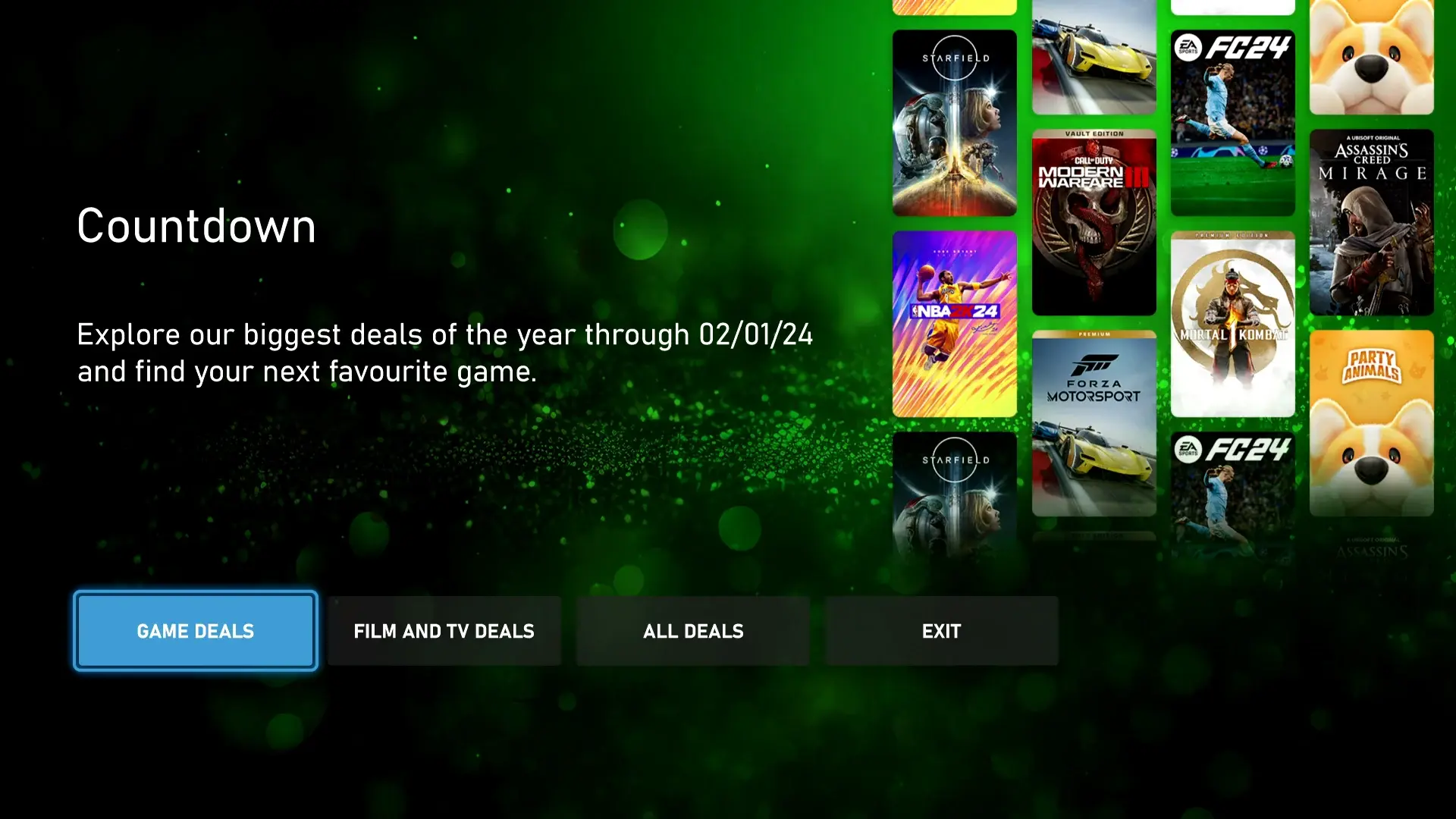
As the in-person shopping experience dwindles, game makers have shifted to digital storefronts available on the home screen of your device. Nintendo announcements are plastered on the lock screen, Xbox will randomly throw a full screen ad in your face, and there’s a store icon always in sight on the Playstation. The console is making money now, but, as we’ve seen with the Xbox Series, the digital purchase lock-in is what each console maker is chasing (and the success or failure of a console seems to correlate with a backlog).
On one hand, the lock-in on consoles is become less of a feature and more of a frustration these days. Games are constantly remastered, rebuilt, and resold for top dollar in farcical announcements (looking at you Last of Us), and the once tantalizing draw of an exclusive game has cooled with more previously console-exclusive titles slipping onto other consoles and, of course, PC.
The gross miscalculation here is that there is only so much you can squeeze a consumer, especially when the console-bound gamer is an endangered breed when compared to the mobile gamers. There is a breaking point—one we’ve reached with the economy at large and the consumer in general—where “investing” in the switch to PC becomes more worth it. For $30 per month, you could have access to 400+ games on Game Pass. But for $30 per month you could also be buying some of the best independent games ever made and come away with a larger, more well-rounded backlog. The cost to rebuild a decade’s worth of games—even for us who are heavily invested in an ecosystem—costs a few hundred dollars in a few Steam sales, which is a pittance compared to the original cost. And since this media is all digital, it never existed anyways, so what do I lose buying it twice?
A PC is still out of reach for many, both from the monetary aspect and the user experience angle. PCs, broadly, suck. My switch to Windows last year has continued to be a pain in the ass, perhaps no better exemplified than my wish to just switch to Linux. If Windows is this bad, Linux is only moderately more annoying, but better in so many other ways.
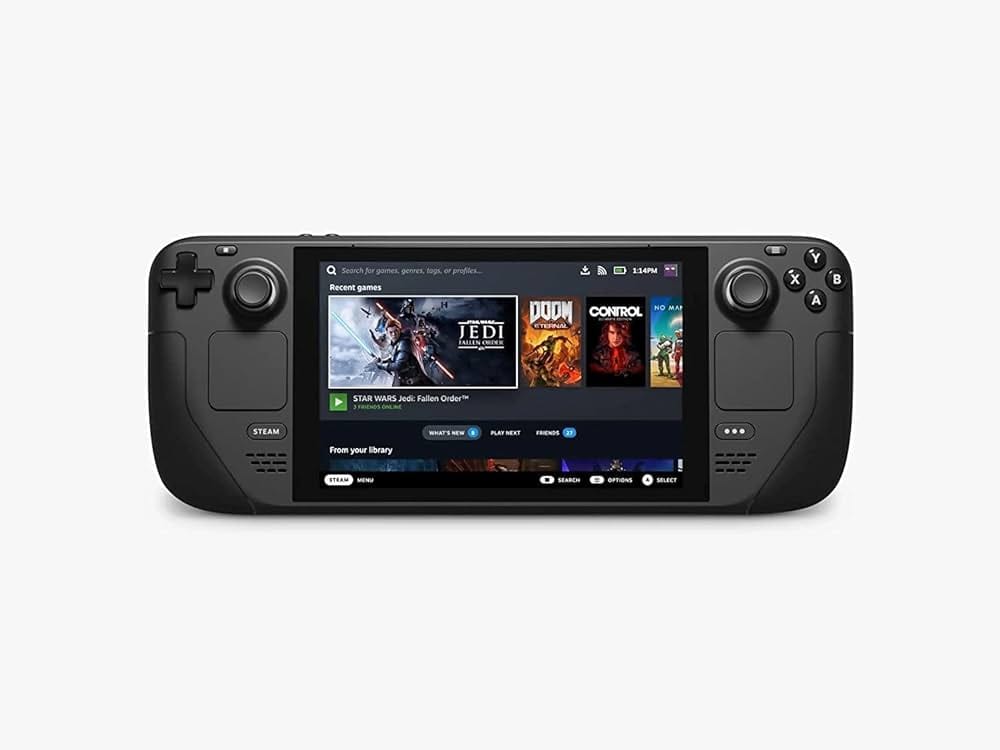
This is what is so compelling about the Steam Deck, and why the success of the Nex Playground is so interesting to me. The Steam Deck costs $100 more than a Switch Lite, offers a consolified PC experience, and, for the first time, allows a huge amount of consumers to tiptoe into PC gaming and reap the benefits of constant Steam sales (oftentimes accessing console-exclusives). It is, if not the best, nearly the best value in gaming now, not quite perfecting any part of its experience, but doing a good enough job to be impressive.
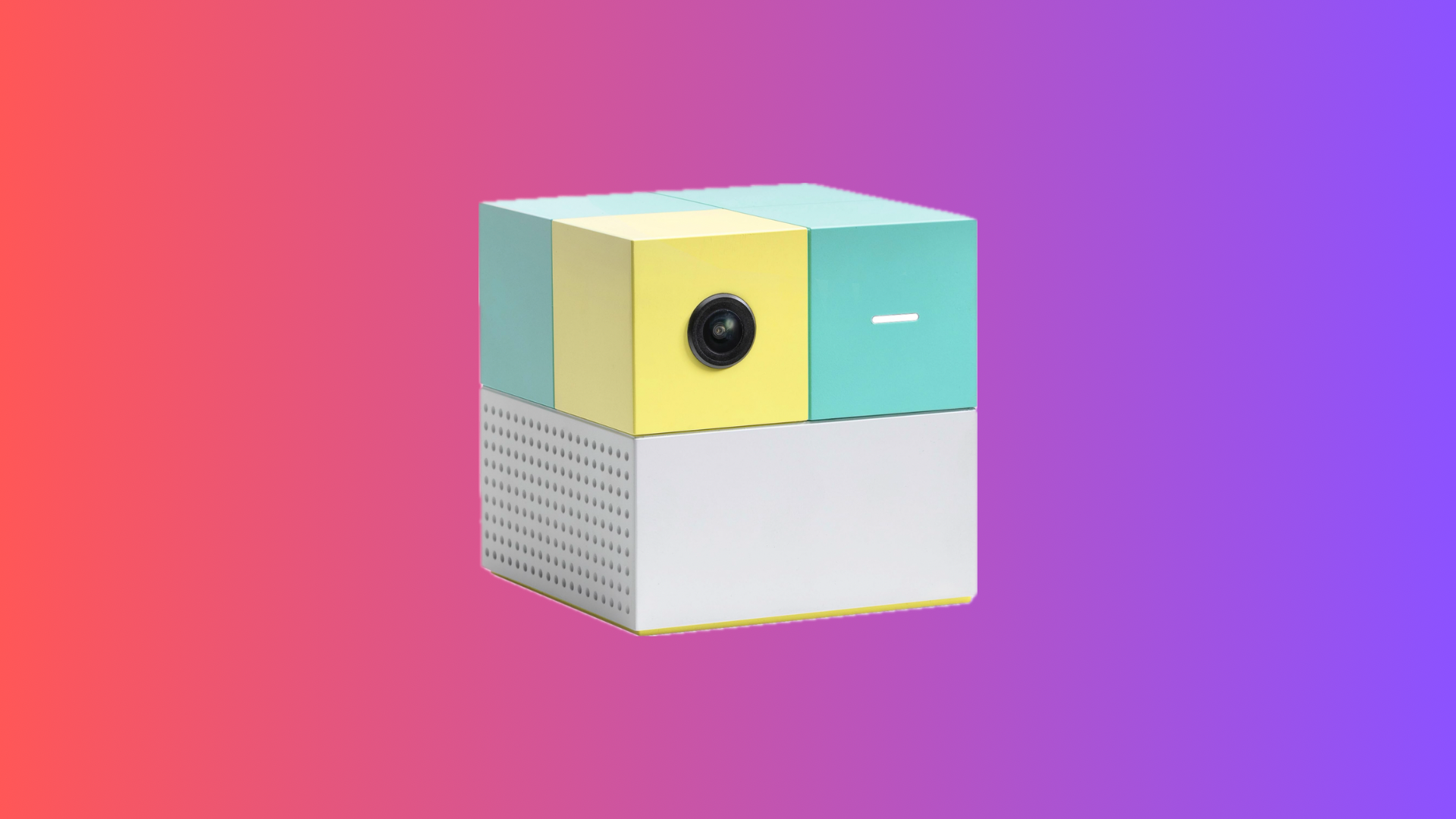
Where the Steam Deck is a gateway to the increased complexity and availability of PC games, the Nex Playground is positioned as the Intellivision Amico, but real. The Nex Playground is a Kinect: a little cube with a camera that offers motion-based games for kids and families. It has a handful of games (including Fruit Ninja) that are either phone games you played in 2012 or feature low-barrier licensed games (hello, Bluey and How to Train Your Dragon). Kung Fu Panda used to be an Xbox 360 licensed game that came packed with Lego Indiana Jones. Now, it’s an “active” game for the Playground.
The Steam Deck and the Nex Playground are perfect examples of innovation in the gaming space, a sign that the space is still very active, but with an under-served consumer segment looking to get into games, but not wanting to dump boatloads of money into an ecosystem. It’s also a sign that the economics of gaming got weird. The Nex Playground is $250 (up from $200 pre-tariffs) plus a $90 per year subscription fee to access all 45 games. The Steam Deck is currently $320 for the lowest model. Both of these devices are subsidized by other revenue (a page out of old console launches), but with more market resilient methods. The Playground’s success isn’t dependent on lining up developers and shipping games, they just need to sell subscriptions, while the Steam Deck is subsidized by that old chestnut backlog lock-in.
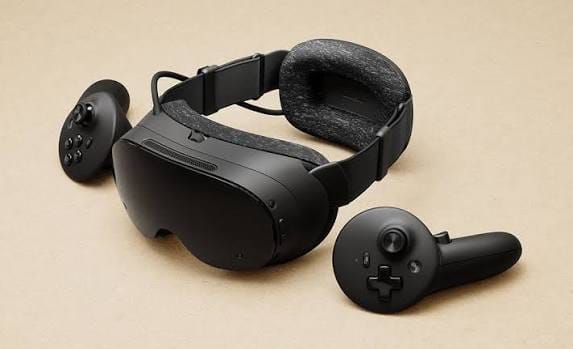
With the recent announcement of more Steam hardware, we can infer that business is going a-okay for Valve, though, until the price for the Steam Machine is released, we won’t really know how well. Very few people I know have only a Steam Deck, but with the launch of a Steam Machine, we may be seeing an inflection point: will the barren Xbox section in my local Costco be filled with sleek black cubes next to the Nintendo Switch and Playstation 5? And, if so, is there still room for more? I think so.
We have reached a too-big-to-fail point in gaming that is about to put that notion to the test. Microsoft seems to be saying with its whole chest that Xbox is here to stay, while the possibility to buy an Xbox is restricted further and further. Playstation prices continue to soar—a Black Friday “deal” reducing the price to a post-tariff price raise—and the Nintendo Switch 2 is testing the limits of a “main” console priced upgrade. At least for Playstation and Xbox, the next “generation” is on the brain, but with prices like these, the console market will continue to shrink, extracting more money from fewer people, potentially pushing more people into lower cost options.
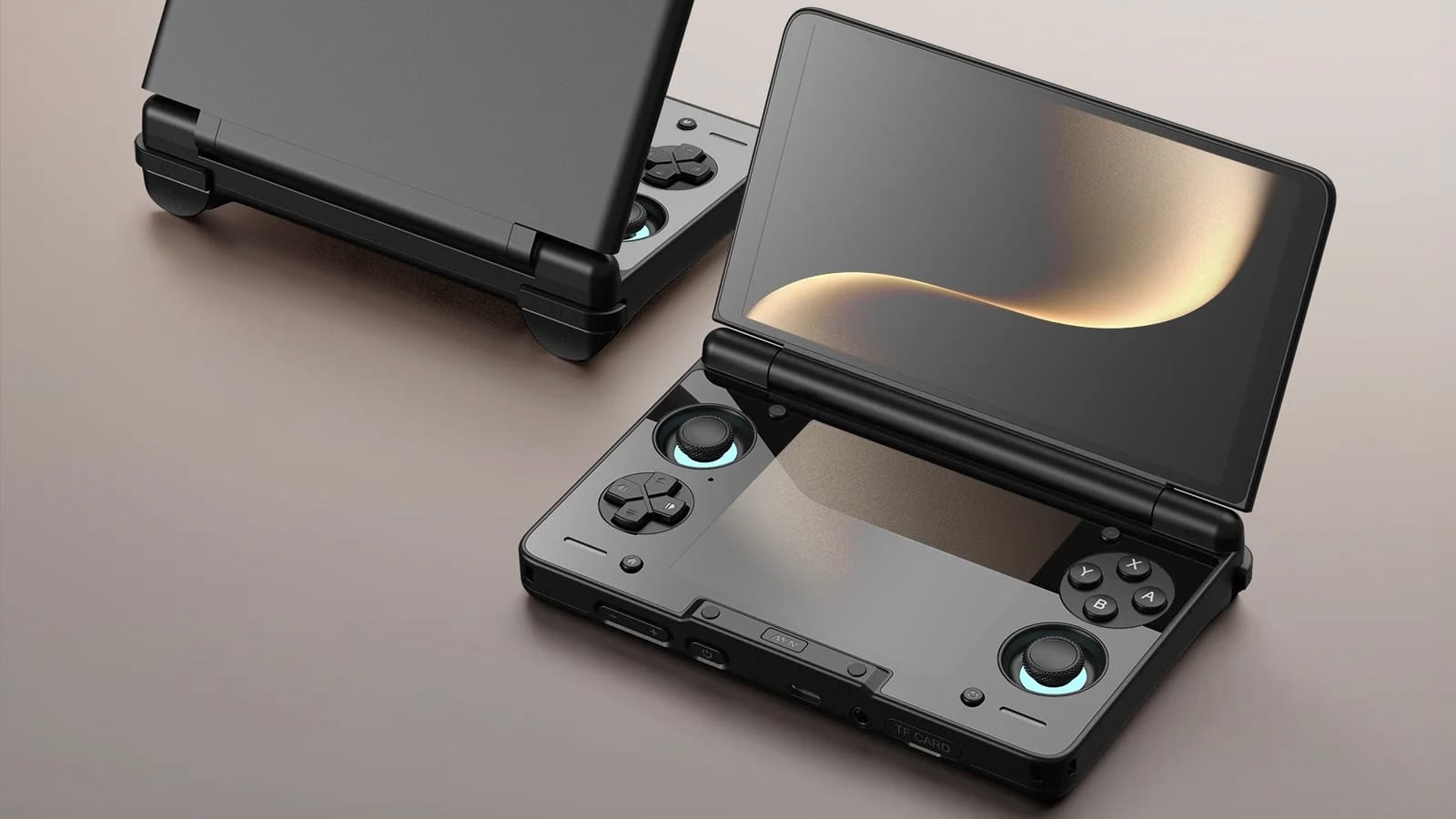
Valve is capitalizing on its nearly monopolistic storefront advantage (something Amazon Luna continues to be unable to do), using many of the same tricks employed by Microsoft nearly 20 years ago. Meanwhile, the Android-based handheld market continues to sprint from Gameboy to DS to PSP and onward, selling sub-$200 handhelds that run most things and open source projects to run even more. And then there’s the Nex Playground.
Do I think a new big third player is going to burst its way into the console market? Will Panasonic rise up to compete with Valve? No, I don’t think so. Xbox may die, but Valve doesn’t seem to have the ambitions (and cash flow) to wade into Console War II. And honestly, I think it’s for the best. We’ll see how the Steam Machine goes, but I think we’re going to watch in real time as brand loyalty to Nintendo and Sony are tested by ever-increasing prices. As much as Nintendo likes to be a “toy company,” they’ve been out-toyed by Nex; as much as Sony likes to be the most powerful prestige games box, a PC from the PlayStation 5’s launch day can output just as well (and I question whether the typical consumer cares or can tell the difference).
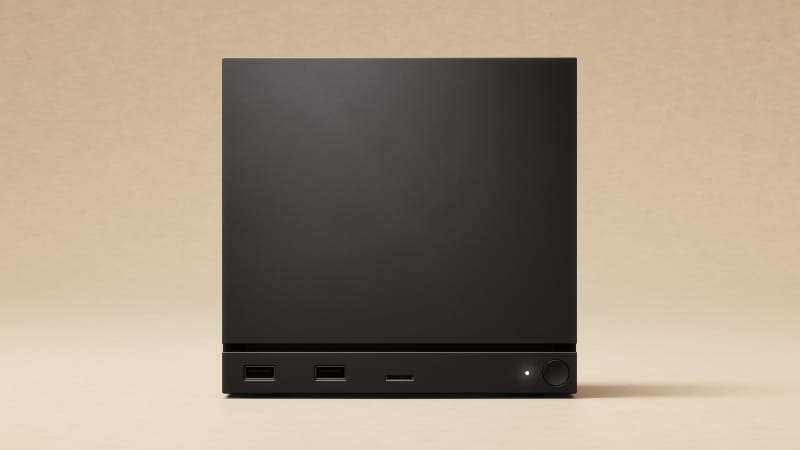
The important thing here though is that, as executives keep telling us, these devices are competing with your phone, not—and this is me editorializing—other consoles. The Steam Deck is not competing with the Nex Playground is not competing with the Ayn Thor is not competing with the Playstation 5. Broadly, I think the idea of console competition is dead, or at least dying. Halo is coming to Playstation, Last of Us is on PC. Consoles going forward—as they have been for a few years now—are simply other devices that allow you to access art, devices that join your other devices. There is room in this industry to play Fruit Ninja with your kids, thank the bus driver while you’re riding the train to work, and play a $1 copy of Undertale you got five years ago on your PC at home.