
Metroid Dread is the first Metroid I have truly loved
You may not need to read this review—the game came out in 2021—odds are, if you are keen to try Metroid Dread, you already have. No, if you're a Metroid fan, you probably know Metroid Dread is great, along with all of the innovations and call-backs that passed me by. Feel free to hang out and enjoy this review as a victory lap, but this review isn't for you.
Now, come close, Metroid-curious or Metroid-avoidant friends. Yes, you there who doesn't like 2D games, or you there who tried many a Metroidvania but can't find the one you like. Come close, Hollow Knight enjoyers, Dead Cell players, and even Castlevania denizens. I have brought the good word, and the word is:
Metroid Dread is impeccable.
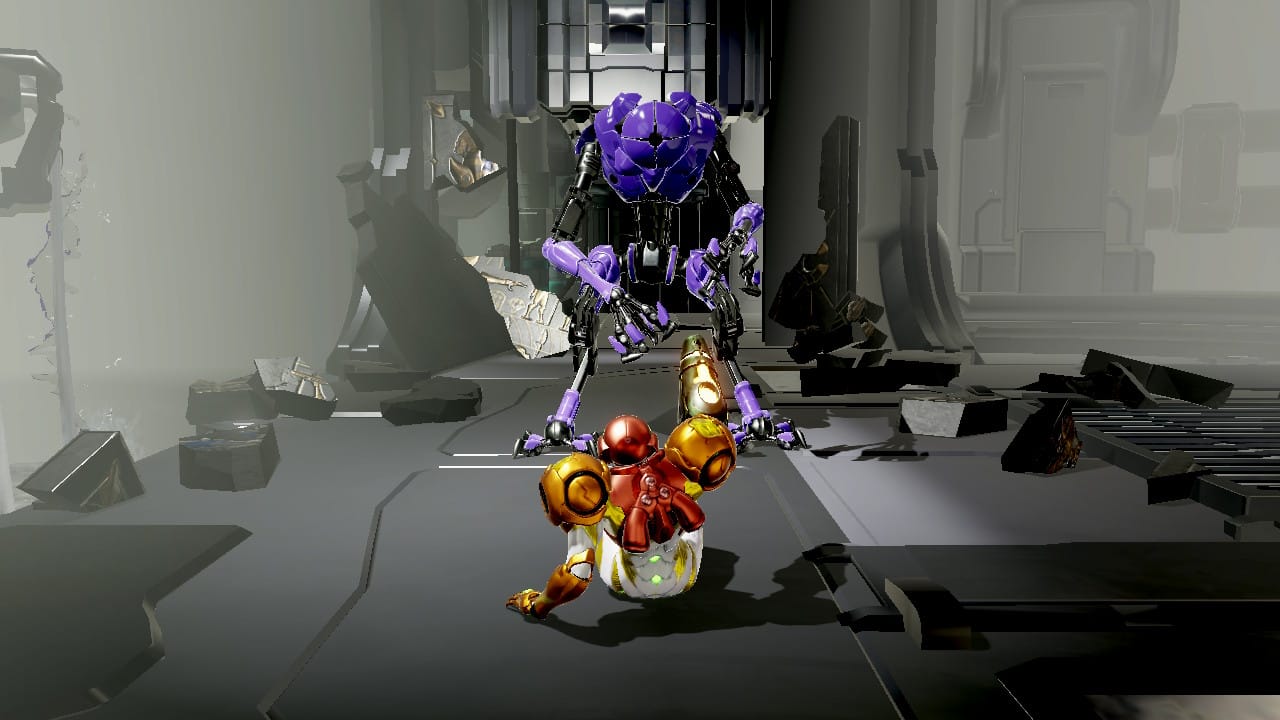
The standout emotion of Metroid Dread—one that ebbs and flows through its nine-ish hour runtime—is fear. Heartrate-spiking, sweaty palms fear. The second emotion is the sweet release of tension as you breathe deep.
I haven't played many 2D metroidvanias because I haven't found many that stick for me. Hollow Knight was too obtuse, Dead Cells felt too random, Castlevania games weren't My Vibe, and Metroid has always felt too old to me. I've tried Metroid: Zero Mission, and I made it halfway through Metroid Fusion, but my true love in the 2D metroidvania (if you could call it that) has been Blasphemous, a 2D souls-like metroidvania that took me more than 25 hours to complete.
Blasphemous, besides its black metal Spanish Inquisition aesthetic and punishing mechanics, is a scary game. The main source of fear stems from the the tension of being greedy or not, whether in combat or traversal. I died so many times in Blasphemous, but as punishing as the game was, the world and the story were enough to pull me back in. The combat was tight, and I felt that the more I played it, the more my skill was growing. By hour two, I could consistently parry, by George!
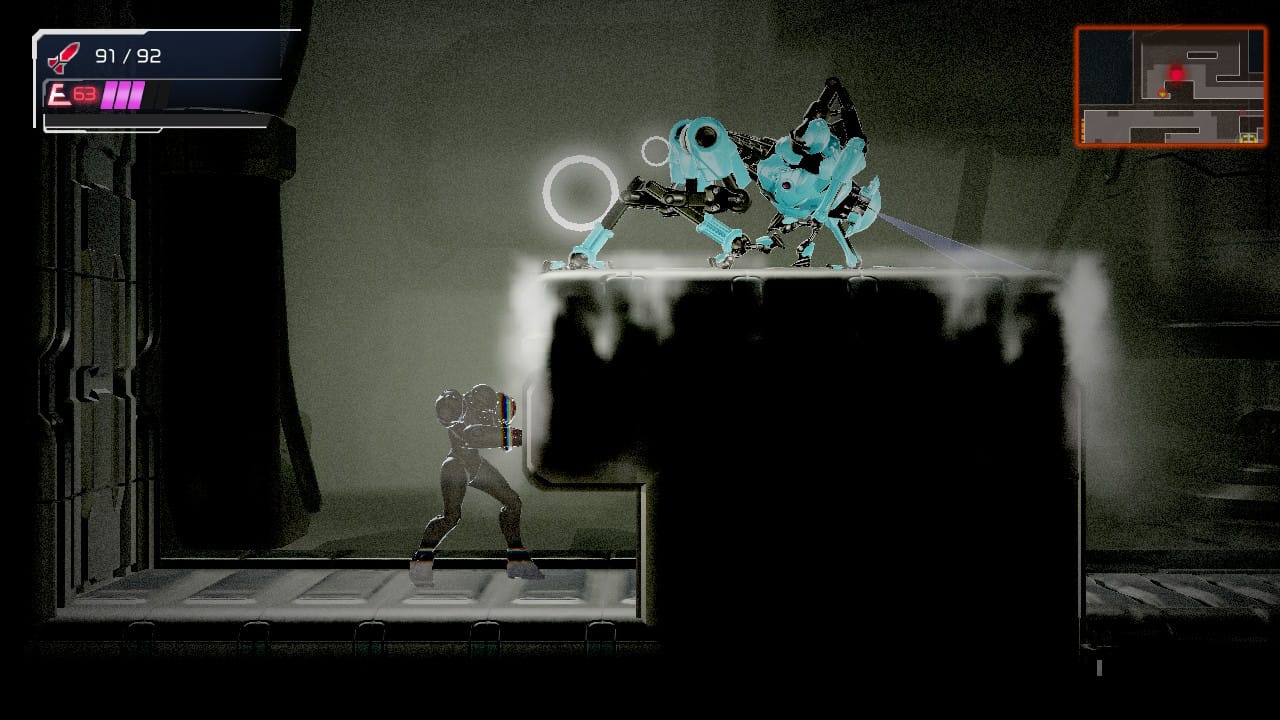
On my Rookie Mode playthrough of Metroid Dread, I rarely felt that gambling tension of pushing beyond a save room. I only felt the strain of intense difficulty a few times (and those times were not enjoyable, Electric Beetle Guy). But what I felt constantly—and what kept me going throughout my nine hours—was the perfect pacing of intense fear and stress, then free-wheeling exploration. Metroid Dread is a modern marvel of pacing, perfecting the ups and downs of intense challenge while avoiding the EMMIs and the easier moments of exploring lovingly rendered environments.
Throughout my entire playthrough, I was never not afraid of the EMMIs. The challenge always increased, whether it was the level layout that forced backtracking, the powers of the invincible EMMI units, or the additional power of Samus (of which there were many). But, dear reader, I would cheer and cheer when I pulled off the impossible EMMI counter or slid through an EMMI door moments before being spotted.
Every EMMI door is just a Dark Souls fog wall you can only escape from.
These unkillable (until they're not!) murder robots are perfect horror creatures and truly sell the desperate state of Samus at the beginning of Metroid Dread, and they also make the game for me. I'd say most of Metroid Dread's non-EMMI content is fine, and, unfortunately, the parts of the game I enjoyed the least are probably the ones that resonate with Metroid fans most. Which is why this review isn't for them, right?
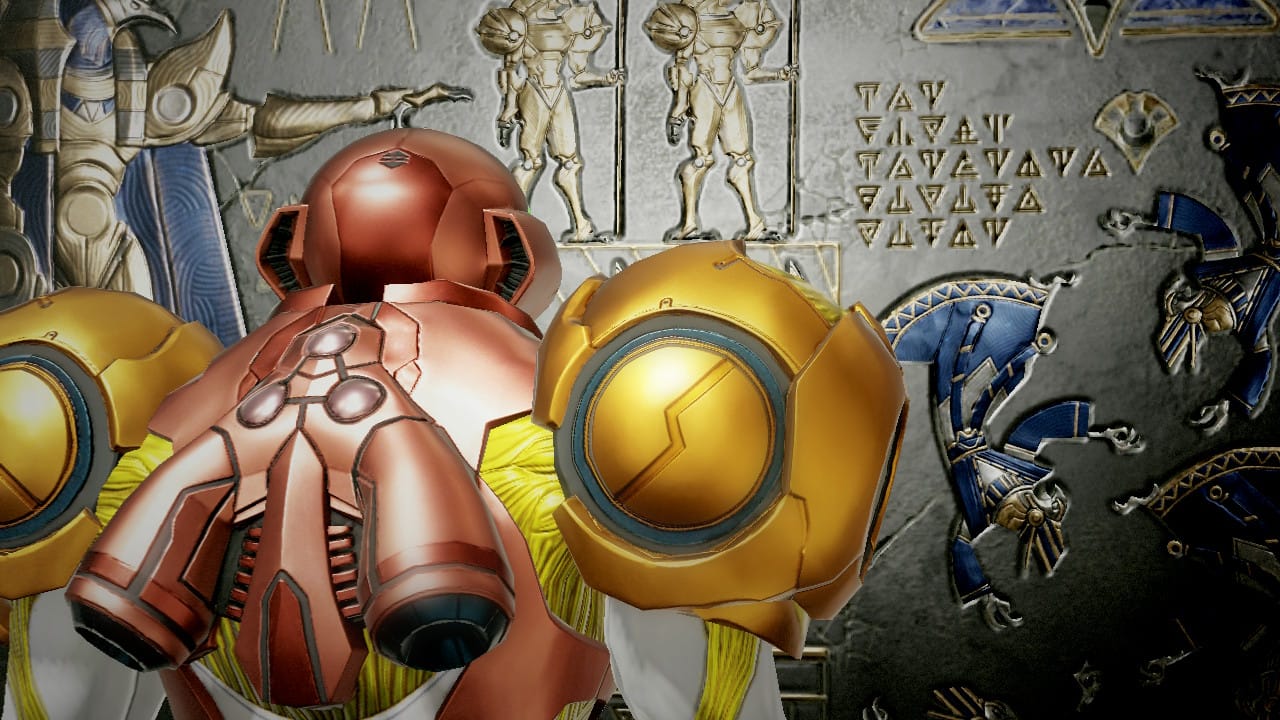
The power-up system feels as dated as it is. Instead of scouring the environment for information that deepens your connection to the world, like letters, logs, or lovingly crafted dioramas that tell micro-stories, you'll collect missile power-ups that let you carry two more missiles (sometimes ten!). Instead of meeting cryptic, charming NPCs or stumbling across side story quests, you'll collect pieces of energy tanks to increase your health by 100. There are two distinct moments of exposition in Metroid Dread, and the story they tell is cool as hell! I just wish that I had seen more of it throughout the game.
I couldn't explain the story of Blasphemous to you. I could try, but it'd be messy and complicated, and I'd miss so much stuff that I'd loop back into myself. But, in every area of that game, I felt that I was discovering something about the world and what my connection to it was. I can tell you the story of Metroid Dread; I have a crystal clear idea of the plot beats, but there didn't feel like much cohesion between the story and the world. Blasphemous' world—Hollow Knight's world!—is inseparable from the story they are telling. One of the most damning things I could say about Metroid Dread is that the environments are gorgeous, but in that generic shiny kind of way. The game didn't need these exact locations; these were just the cold, hot, green, and cave levels they made. Don't get me wrong, they were fun levels to navigate, but I have already forgotten their names and never could understand my way around them.
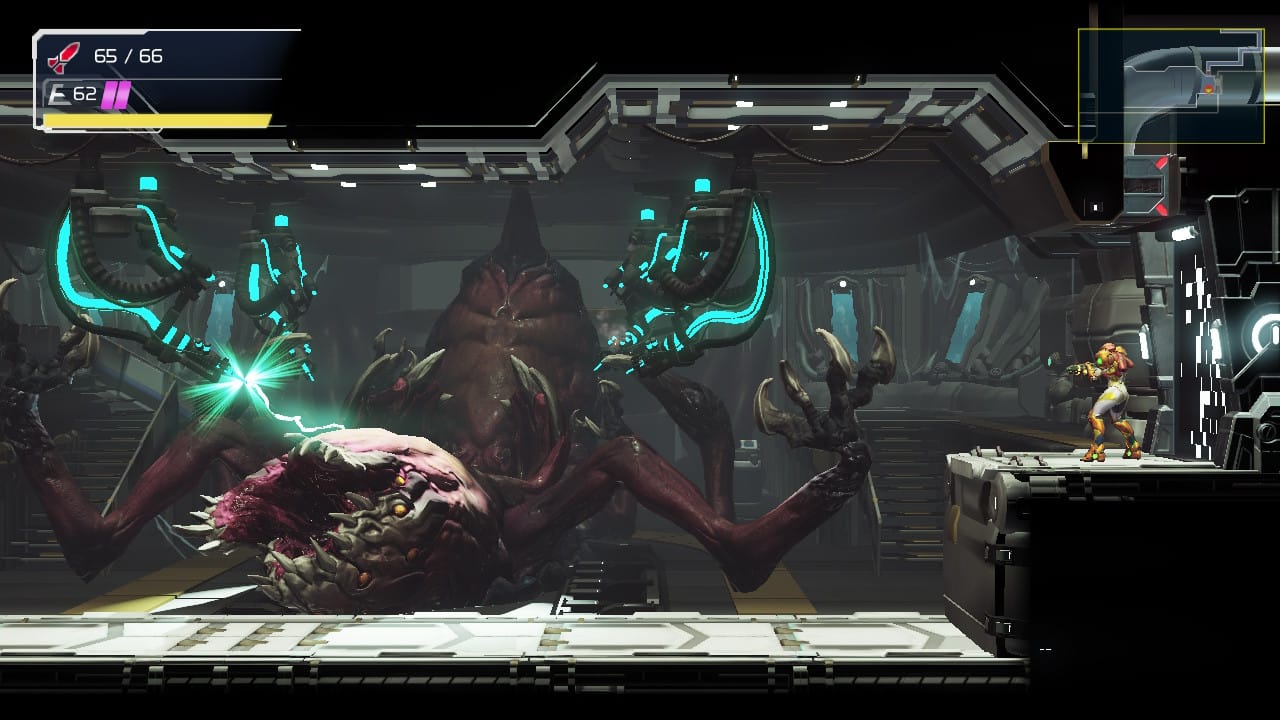
A lot of hay was made about the launch of Metroid Prime 4: Beyond and whether it properly depicted the "isolation" of the Metroid games. And, while I have no opinion on Beyond, I do think that there is a certain unearned grandiosity given to Metroid games because of their age. I don't think Metroid is a series inherently about solitude or isolation...they're just games with a single, mostly silent protagonist and a distinct lack of people. Their neon color schemes and cartoon-y creature design never leaned fully into horror, and I'd argue that for solitude to be a theme of your game, you need to show the absence of solitude as well. Other games develop a sense of isolation differently; Blasphemous' enemies are people that you alone can defeat, and a major quest is populating a local town by completing side objectives, while Hollow Knight has Hollownest and the delightful NPCs you discover throughout the map. Every adventure into the wilds is isolating; a transition away from the village is a move towards the unknown, even if it's just moving left to right.
Metroid Dread has an amnesia storyline and an AI you talk to sometimes (which isn't much different than Metroid Fusion).
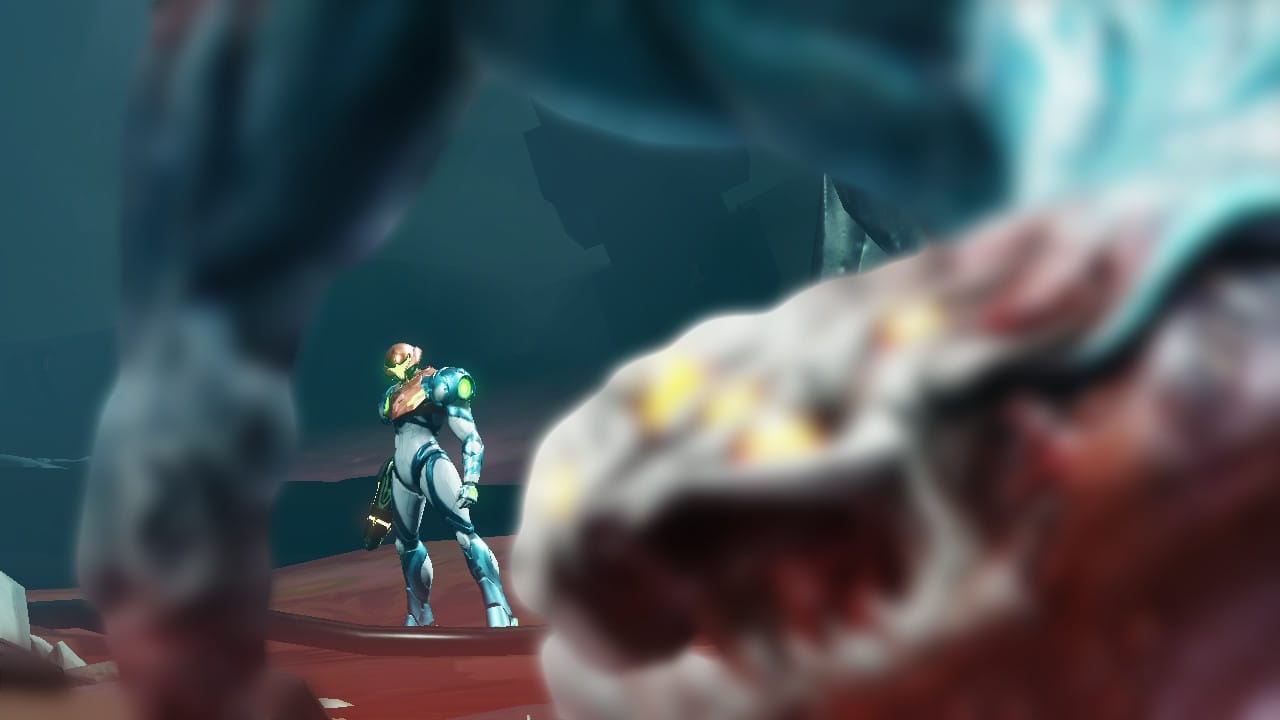
No, from what people have told me about SA-X in Metroid Fusion and what I've experienced in Metroid Dread, I think it's fair to say that the 2D Metroid games are much more interested in fear than isolation. A metroidvania is, inherently, a game about powers and abilities. As you play, you unlock more stuff that will, ultimately, make you an unstoppable killing machine. Double jumps, stronger swords, better attacks, a compass, all of these power-ups are built to propel you through doors out of reach or enemies that were too strong an hour ago.
The genius of Metroid Dread—the thing that makes this game one of the best metroidvanias I've ever played (and damn near the best Nintendo game I've ever played)—is how the team at Mercury Steam made it almost completely meaningless against the EMMIs. Every time you enter an EMMI zone, you can do only one thing: run. Sure, you can cloak and bide your time, but there is no escape until you find the next EMMI door. You are trapped in a box with a deadly robot stalking you until you pull off the double jump or unlock that door to salvation. This is the triumph of Metroid Dread. Every EMMI door is just a Dark Souls fog wall you must escape from.
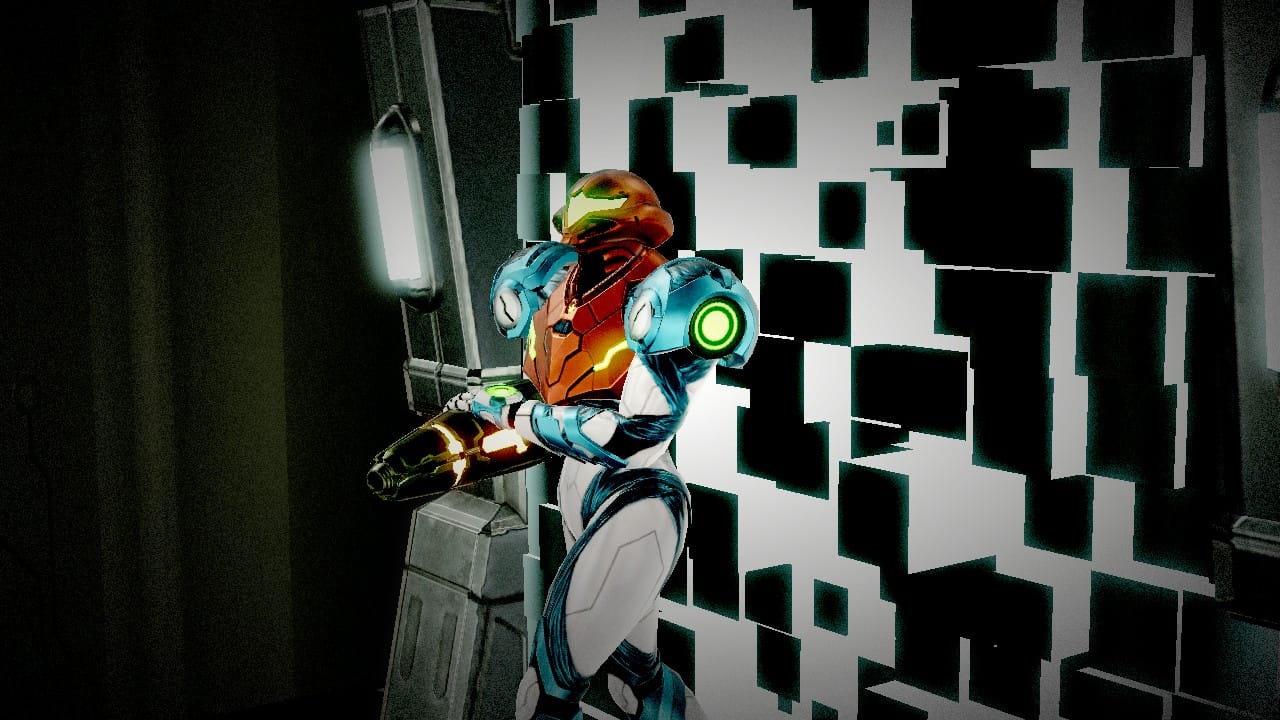
Each EMMI encounter is a Souls boss, except that the environment is the boss requiring precise pattern recognition and timing, not the enemy. You have to time your cloak, jump precisely to avoid the drones, release your charge shot at the precise moment, and slide through the door for cinematic tension and celebration. And you must do it damn near flawlessly.
I have never seen a metroidvania so handily hide a horror Dark Souls experience within its name-brand shell, nor have I ever seen a horror mechanic like this deployed in a 2D game that's primarily about hammering the Y button to blast little bugs. The EMMI rooms, the EMMI enemies, and the platforming puzzles you must complete to defeat an EMMI are perfect. I've never pumped my fist in the air when defeating a boss in Elden Ring, but I sure as hell did when taking down a couple of the EMMIs.
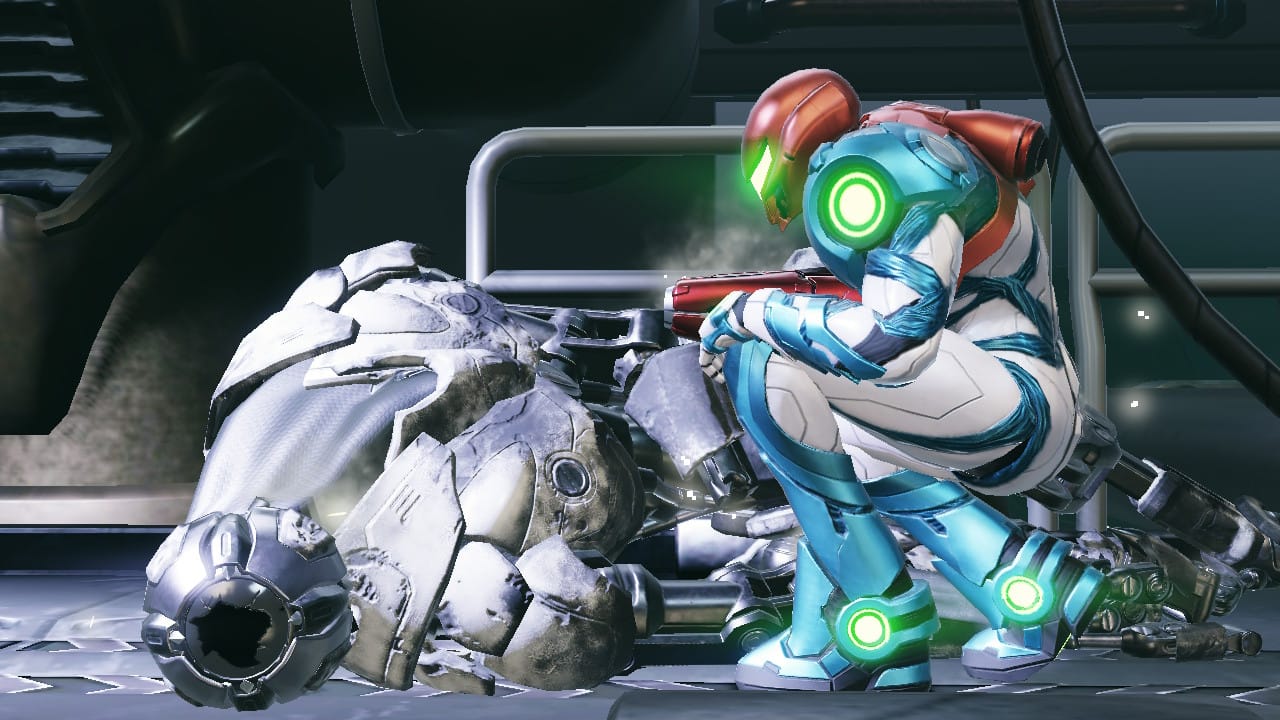
At its core, I think Metroid is a series beholden to nostalgia more than most. As a player without any of that nostalgia, I find the power-up system uninteresting. The need to wait for the "you picked up an item!" music stinger to complete before I can try it out was frustrating. The double jump (and triple jump) sucks, and I never nailed the timing in a way that was satisfactory and not stressful. The room you unlock the Omega Cannon in (I found out later), was a nostalgic reference to past games, but on its own, it was just annoying. For such a massive gap in development between 2D Metroid games, I had hoped that many of my frustrations with Metroid Fusion would be solved in Dread.
They weren't.
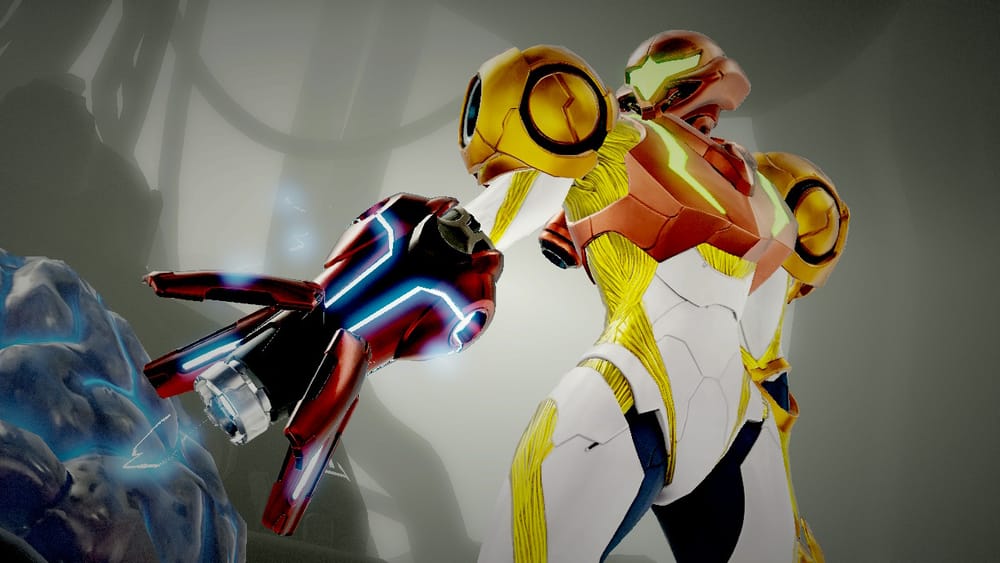
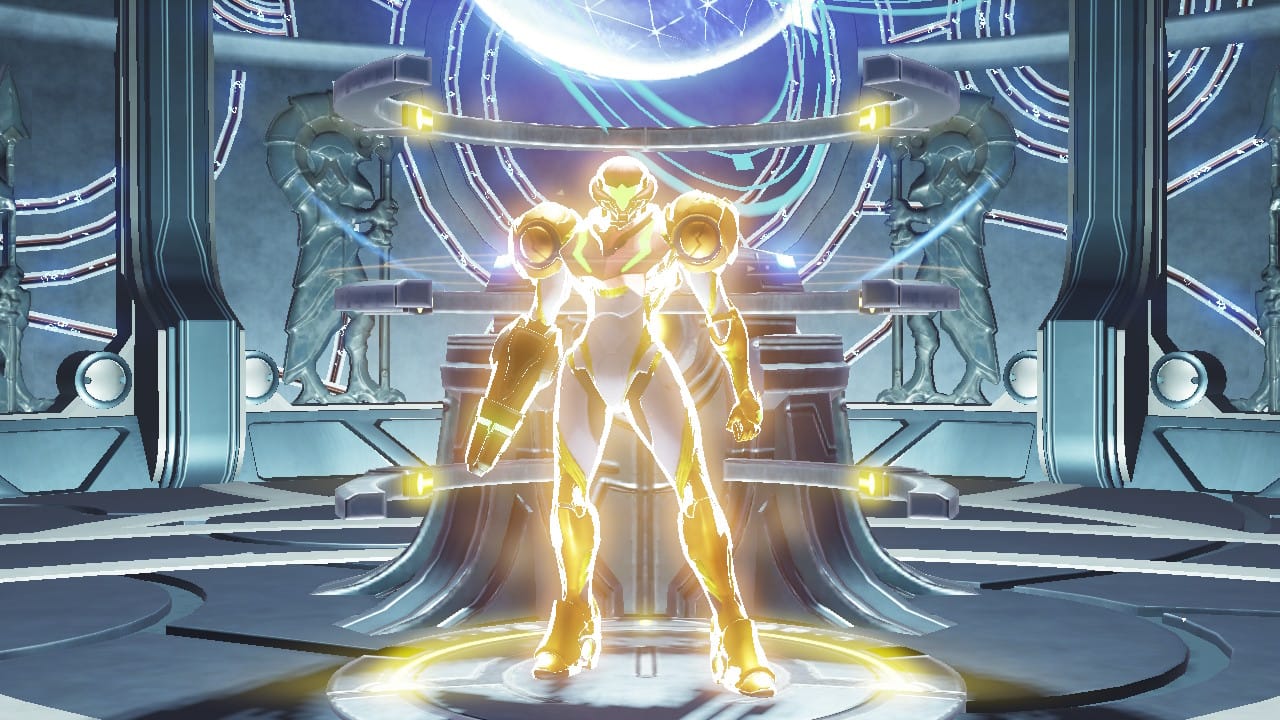
But that's okay because all of those complaints and quibbles and frustrations evaporated from my lizard brain as soon as a yellow radar ping echoed out from Samus when entering an EMMI door. I forgot about how often I'd shoot the wrong weapon the moment the camera jumped to third-person, and I was cooking the face shield off of an EMMI. I forgot the frustration of fumbling through the convoluted controls as I exited an EMMI zone, the finger confusion became just another part of the tension. The hook of a metroidvania is the increase in skillsets and power, but as I rolled credits after defeating the final boss, all I could think of was a Metroid game without the suits (even though these are the best looking suits in Metroid) and the triple beam and 170 missiles. All I could think of was a game truly about solitude: Alien Isolation.
My mind is alight at the idea of a Metroid game that bears few hallmarks of Metroid games. No chintzy SNES music cues or triple jumps and phantom dashes. No missiles, no power-up pickups. Just, in its most quintessential form, dread. I was waiting for an EMMI to stalk me into the countryside or have a terrifying Geiger-esque X-Parasite transformation. None of it came to pass, but the potential is there.
I love Metroid Dread, and I have high hopes for what the next 2D Metroid game is. I also am thrilled to see what games are inspired by the aspects of this game I love the most: the fear, the cinematography (my god, the fluidity from 2D to 3D and then back in miraculous), and the stress. The best thing a game can do is make me think about it days after I put the controller down. I think about the potential of Metroid Dread, about the world it built and the things it made me feel purely through its mechanics. Metroid Dread is not the emotional, narrative rich experience I gravitate to, but I'd be lying if I said I wasn't hooked on this game for the handful of weeks I was playing it.
It's not a perfect game, but I've rarely played a game where the soaring highs made the frustrations simply vanish. It's not perfect, but it sure is damn close.