
Welcome to The Design of Power, a collection of essays, criticism, and videos exploring how power is created through design. New pieces will be released over the coming months, examining themes of totalitarianism, architecture, typefaces, and more through the lens of Wolfenstein: The New Order.
Letter from the Editor
In early March of last year—roughly a month after the 2025 inauguration—I booted up Wolfenstein for the first time. I was feeling all kinds of ways about the state of American politics, and I wanted to step into a different world where the Nazis had won and get some frustration out. I booted up Wolfenstein: The New Order for one reason: catharsis.
Wolfenstein: The New Order is a power fantasy, yes, but within a few hours of playing, I realized I was getting so much more than I bargained for. Behind all the muzzle flashes and Michael Mann-inspired cinematography, there is a thesis written in Wolfenstein’s environments, props, and level design: the world is designed to oppress. That feeling manifests in so many ways, but the one I latched onto, the one that the game so prominently dangles in front of your eyes, is something we see everyday: concrete.
This project started over a year ago and was meant to be a shorter video about dystopias. I was originally curious about why, when it feels like we live in the worst times, we’re still drawn to these dour narratives. What is it that drives us to seek out worlds gone wrong when our own is already so broken? Most of that project now lives in the Design of Power, but for the pieces that didn’t make it here, there’s a place in future collections.
Throughout that process though, I learned that I had so much more to say about concrete, architecture, typography, and level design that I needed to find a home for. As a designer by trade, I’ve been immersed in the design world for over a decade. I’ve seen firsthand how design can be used to encourage, discourage, or obfuscate choice within digital and physical environments without people even noticing it. And, as I played Wolfenstein: The New Order, I was seeing those exact same tricks used on a grand scale. The longer I thought about it, the more I felt that Wolfenstein deserved so much more than a mention in a larger video.
So, that’s what we’ll be doing. Over the next few months, we’ll be publishing videos, articles, and podcasts all connected to the idea of how design is used to exert power upon us, in games and in our real lives. That started with concrete and branched out quickly to architecture, typefaces, and more.
I’ve been so deep in an analytical mood, exploring the purpose and plans behind the games and websites I love so dearly, that it was impossible not to do the same for 70% Complete. The Design of Power, and future collections like it, give us the room to explore ideas from multiple angles and across multiple formats, connecting essays, podcasts, and videos into a larger conversation. Most importantly, we’re following ideas where they lead us and presenting them in the way that suits them best. Some ideas belong as video and others are conversation; I finally feel like we’ve found the format to let each shine in their own way.
We’ve been sitting on this collections concept for almost two years now and, after a ton of work and thinking, I feel like we’ve got a wonderful first collection lined up for you to check out. It has been a massive effort aligning everything, but I couldn’t be happier with how it’s turning out.
If there's one idea I'd like you to keep in the back of your mind as you explore this collection, it's that design is never neutral. Whether it’s architecture, typography, the position of a door handle, or video games, every designed object reflects choices about how people should move, think, behave, and interact with the world around them.
So, welcome to The Design of Power. I hope you enjoy the articles, video essays, and podcast conversations as they roll out over the next few months. I’ve been so deep in typography, architecture, and gameplay design for so long that I’m just glad to share what I’ve found with you all.
It’s not going to be your typical games coverage, but that’s by design.
Phil Bothun
July 28, 2026
Start here
If there are one (or two, if I'm allowed to be a little greedy) pieces of the Design of Power I think you need to experience, I think it's these two. Together, they form the foundation of the collection.
Power made Visible lays out the foundational argument I'll be using throughout this entire collection.
The Most Powerful Weapon in Wolfenstein is a feature-length video essay exploring how power, destruction, and design is used in Wolfenstein: The New Order to not only build an oppressive world, but to manifest a metaphor of our current times. You'll learn about the subtle (and not-so-subtle) tricks Wolfenstein uses to build its oppressive environment, the historical context of the game's environments, and a recipe for concrete.

Power made visible
An essay exploring the sometimes-fraught relationship between power and design.
Video: The most powerful weapon in Wolfenstein
A long form essay dissecting what the truly most powerful weapon in Wolfenstein: The New Order is. Spoilers, it doesn’t shoot bullets.
Explore the collection
The Design of Power extends beyond Wolfenstein's concrete walls and seeps into our everyday lives. Explore the essays, videos, and conversations below to see how power is expressed through architecture, typography, systems, and play.
Podcast: Helldivers 2 Durable Damage
In this episode, we discuss how gameplay simulation systems affect playstyle and the thematic meaning of Helldivers 2.
Podcast: Foundationalism & Coherence Theory
In this episode, we casually discuss theories of knowledge and how to use those theories to examine the self.
Video: Can Design Fight Back?
There is something quite clever going on with the typeface choices in Wolfenstein: The New Order. Did you spot it?
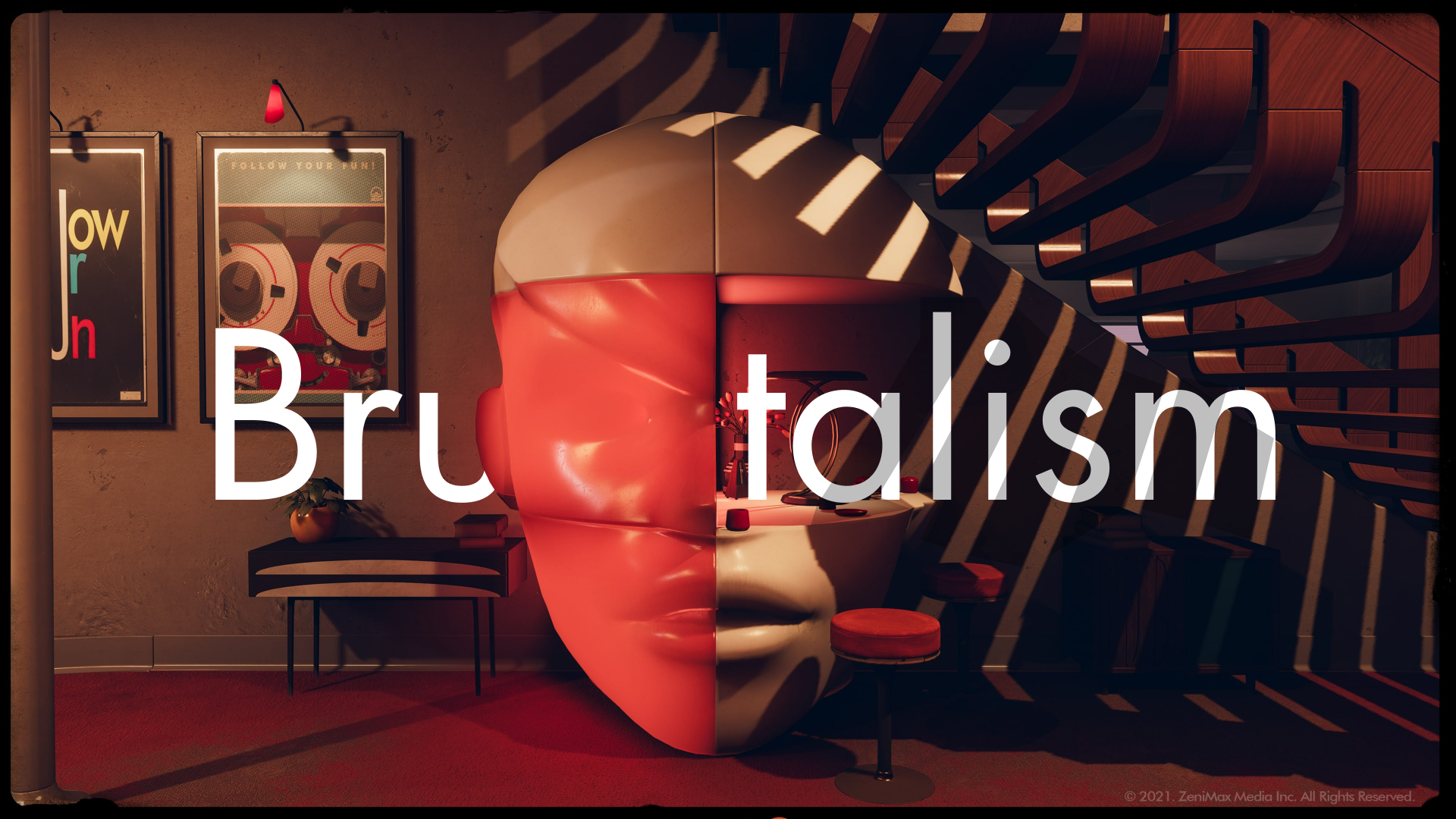
Video: The architecture of control
Why does the architecture of Wolfenstein, Control, and Deathloop make us feel so very different about these games, when it's all concrete?
70% Complete is a reader supported publication
If you’ve enjoyed this collection and want future editions to exist, support us on Patreon. Every tier receives early access to videos and a behind the scenes look at how it all comes together.
Support us on PatreonReady to go deeper?
This collection of essays, videos, and podcasts is just the beginning. If you'd like to learn more, or explore other media exploring similar themes, here's a short list of places to start and resources used to create everything in the Design of Power:
Inside the Third Reich by Albert Speer
Read, in a war criminal's words, what it's like to be the head architect of a totalitarian state. A dubious narrative at best, many of the direct quotes in the Ruin video essay are from Albert Speer's memoir.
Hitler's State Architecture by Alex Scobie
An academic text digging deeply into the architectural and classical inspirations of Speer and Hitler's Germania. The book also tells of the far-sweeping architectural projects Speer speaks very little of in his memoir.
Never use Futura by Douglas Thomas and Ellen Lupton
A breezy design book about the history and usage of one of the design world's most famous typefaces. I specifically used the section on the origins of Futura and its usage during the Nazi period for the Can Design Fight Back video essay.
Meditations by Descartes
This is where "I think, therefore I am" comes from. Not as breezy as a book about typefaces, but it'll get you thinking about why you think.
Papers Please by Lucas Pope
If you really want to feel the oppression of the state and the power of documents, look no further than Papers Please.
A lighthouse. A utopia. A framework.
Coming in 2027