Dimhaven: The Lost Source is all about the Polaroids
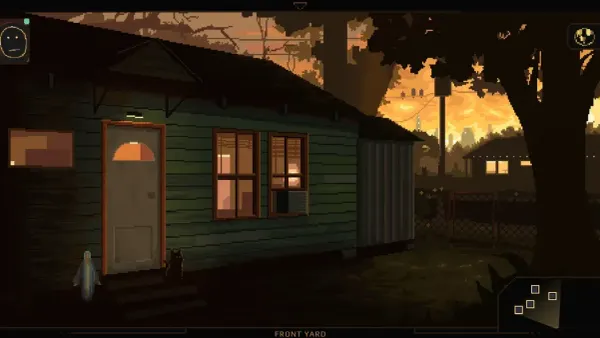
In the first twenty minutes of Dimhaven: The Lost Source, you learn all you need to know about the game. You parachute onto the island, have your passport stolen by a Seagull (no one has sprayed Gull Guard on the parachute landing pad in ages, it appears), pick up a camera scavenger hunt, solve a puzzle in a port-a-potty, and open an inventory screen. If you have played Myst, or other Cyan Worlds games like Obduction or Firmament, you will feel perfectly at home in Dimhaven.
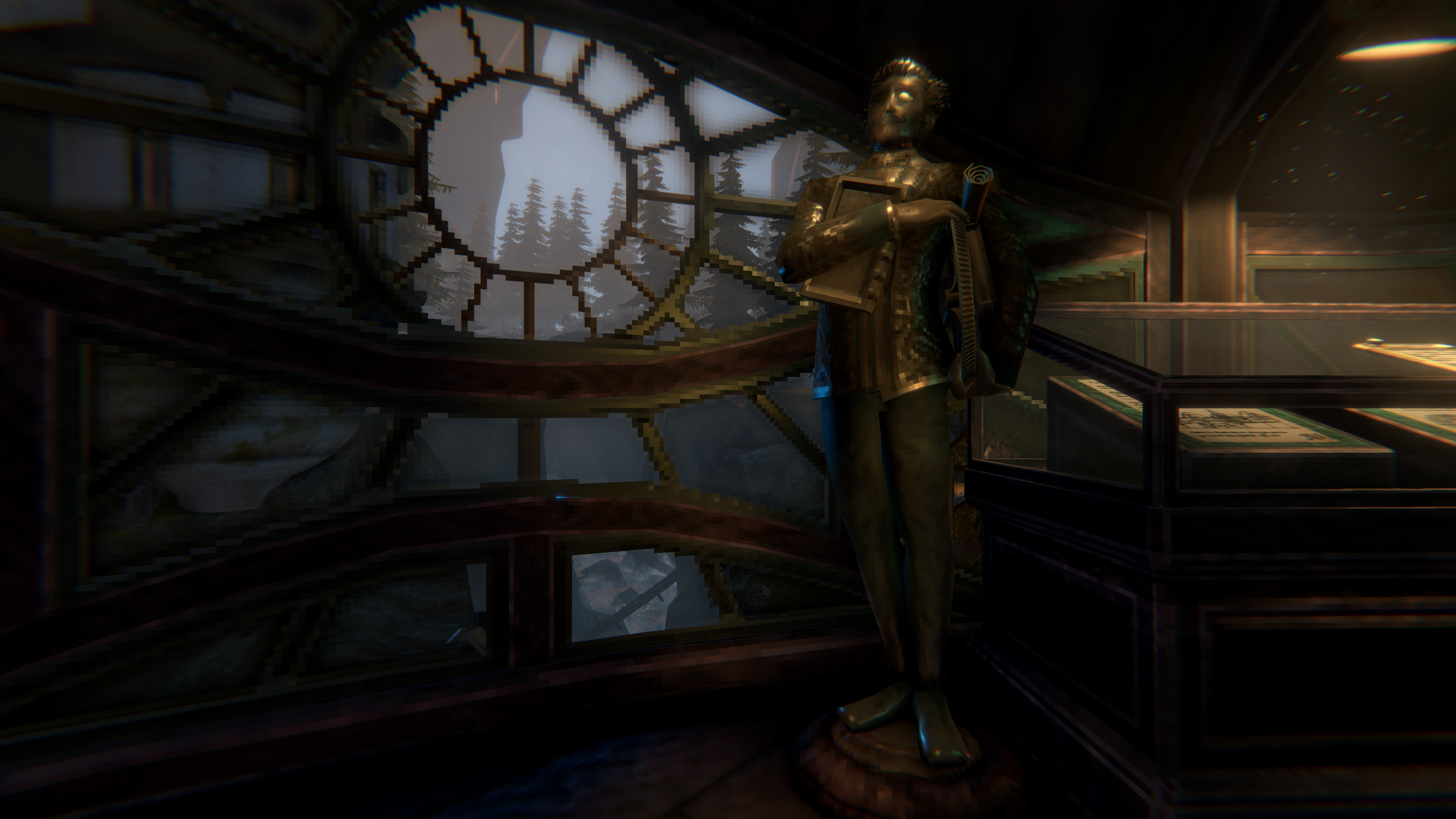
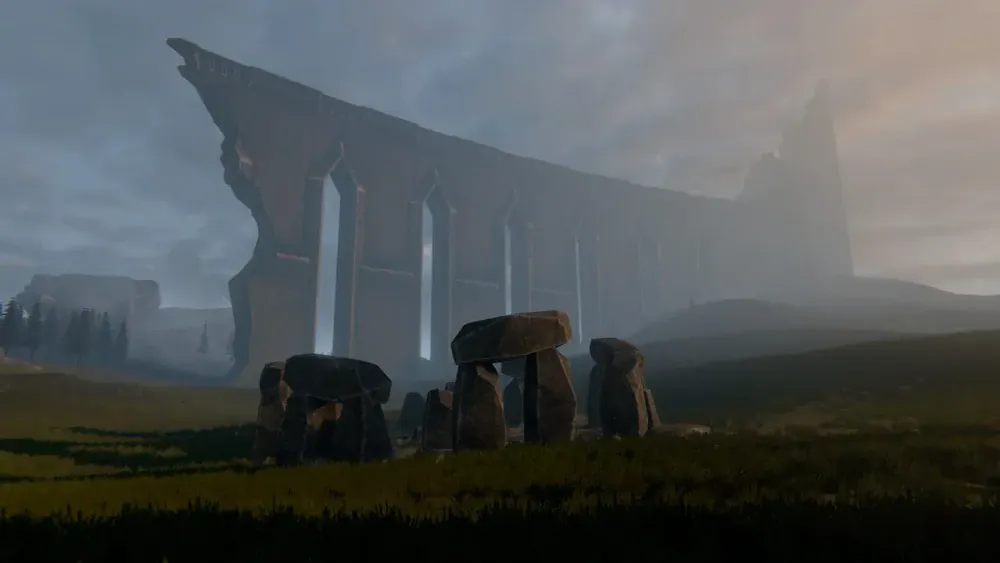
There's plenty to dig into (What's with that huge ancient wall? Is this spy fiction?! Family trauma, an ancient house, and a mad inventor??), but what kept me coming back to solve the increasingly tricky puzzles was the camera. Just like the screenshot map markers in Prince of Persia: The Lost Crown, I imagine players will be clambering for Dimhaven's camera in any and all puzzle games going forward. And I get it. It's a genius bit of game design.
Since the dawn of adventure puzzle gaming, there have been two things: pipe puzzles and notebooks. A distinction of difficulty when discussing puzzle games is if you need a notebook for it. Do you need to track puzzle solutions or earlier information across time, or are puzzle solutions often situated among the puzzles themselves?
One of my recent favorite puzzle games, Lorelei and the Laser Eyes, demands a notebook, rewarding players for retaining (and combining) puzzle clues over hours to solve later puzzles. I love Lorelei so much for how well it sign-posts clues; go too obscure and you land in Blue Prince territory, where you're surrounded by information but only hints at what are clues; or go too hand-holdy and become a Seance at Blake Manor, where deductions can collapse into brute force puzzle solving.
In all three games though, I found myself taking screenshots on my Steam Deck, my phone, or my iPad, hoping to collate and retain visual clues. I have thrown elementary school worksheets from Blue Prince on a massive digital moodboard, or tweaked the opacity of several images to overlay them. Puzzle games, then, have evolved—along with the smartphone—into multi-modal games: the game, the notebook, and the visual capture. But those same devices I use daily. I capture photos of my family, screenshots of dumb things dumb people say on the internet, take-out menus, and whimsical moments of life. My digital puzzle aids get lost in the flow of time and photographs.
The camera in Dimhaven is the elegantly simple solution to that digital disorder and is, from the beginning, intrinsic to the gameplay design. At any point—whether you're just walking the level or in a puzzle focus state—you can pull out your camera and take a photo. You can then access your album of photos at any time, then use MS Paint-style tools to annotate, notate, or scribble on them. Draw a mustache on that sleeping cat! Put nerdy glasses on that annoying seagull! Or, test out every solution to that cable puzzle that weirdly only lets you move in Chess Knight patterns.
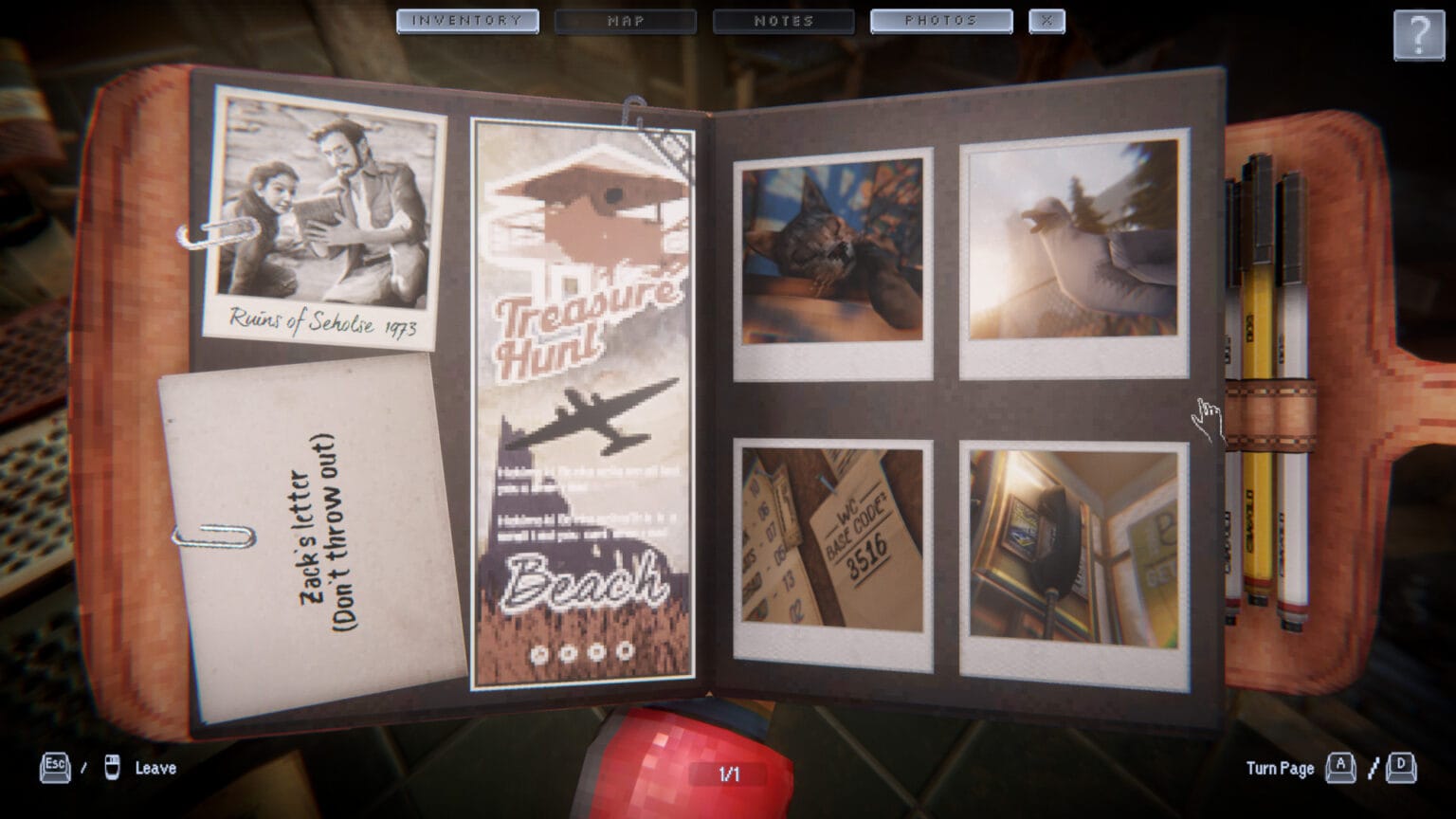
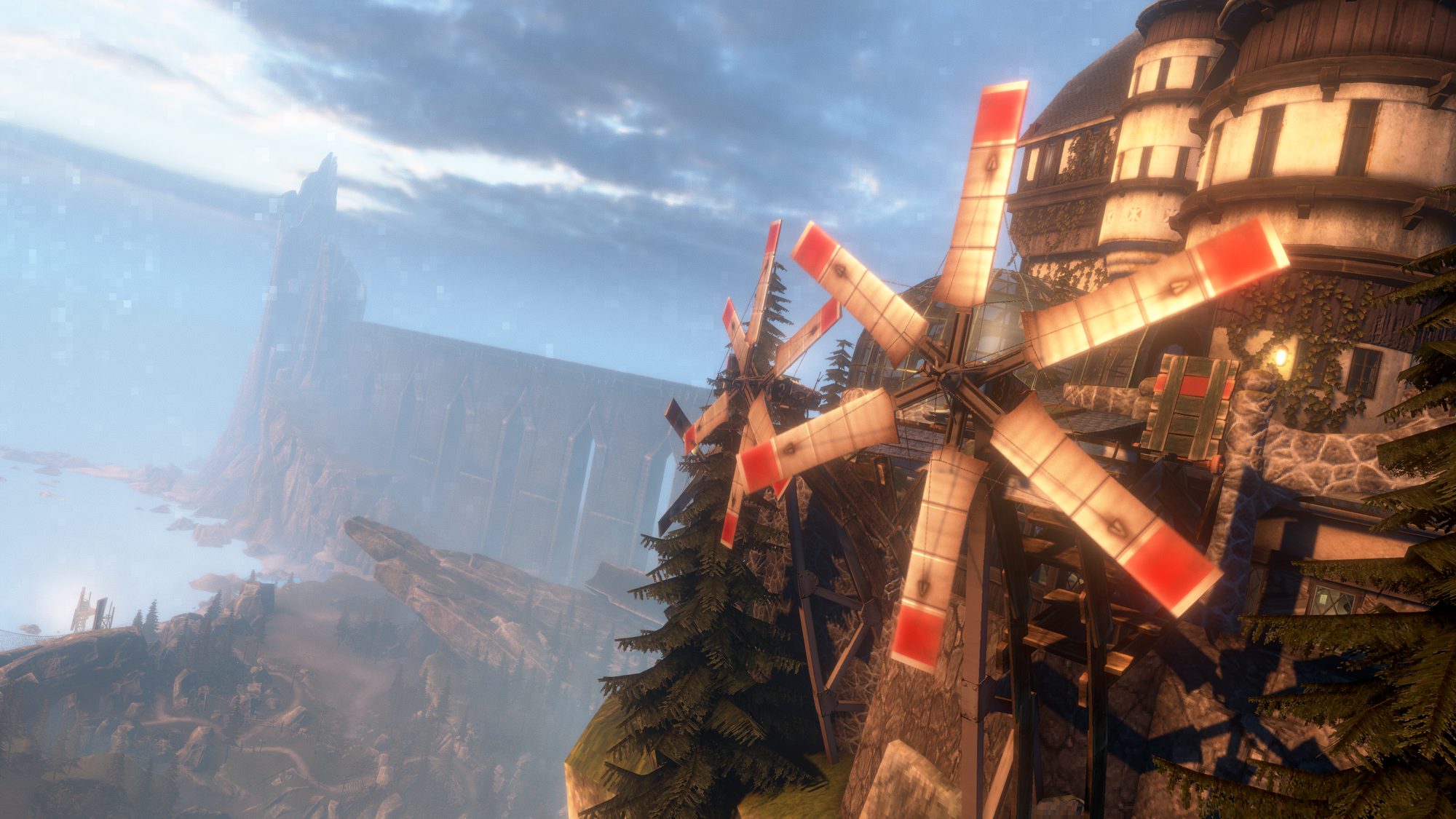
Photos are ephemeral as well; take as many as you want, then delete them just as quickly when their purpose has been served. Some photos ended up being for information (how many volts does this windmill generate?), while others became spaces for puzzle solving far more than the actual puzzle was. I was able to replicate the "I just need to draw this pattern out" feeling I'd inevitably get in puzzle games, right there on my screen.
I love solving puzzles in games, but so often the mode shifts from game to notebook or game to iPhone Markup removes me from the game. That shift also builds behavior patterns that tend to compound: I take more photos with my phone because that worked last time, so I spend even less time in the game, and flock to my notebook to solve a puzzle. The game becomes an input machine filled with clever stage gates I need to figure out on my homemade worksheets. There is broken cohesion between the solution and the puzzle.
In Dimhaven, the puzzle and the solving are one.
I played all of Dimhaven on my Steam Deck (it ran pretty well!), but I had to load it back up while writing this review because I didn't have a single screenshot to harvest. Every image I took was in-game, many of which were scribbled on. Because, and I'm so sorry to add this 500 words later than I should have, but there's one last magic photography trick Dimhaven pulls: you can hold the photos.
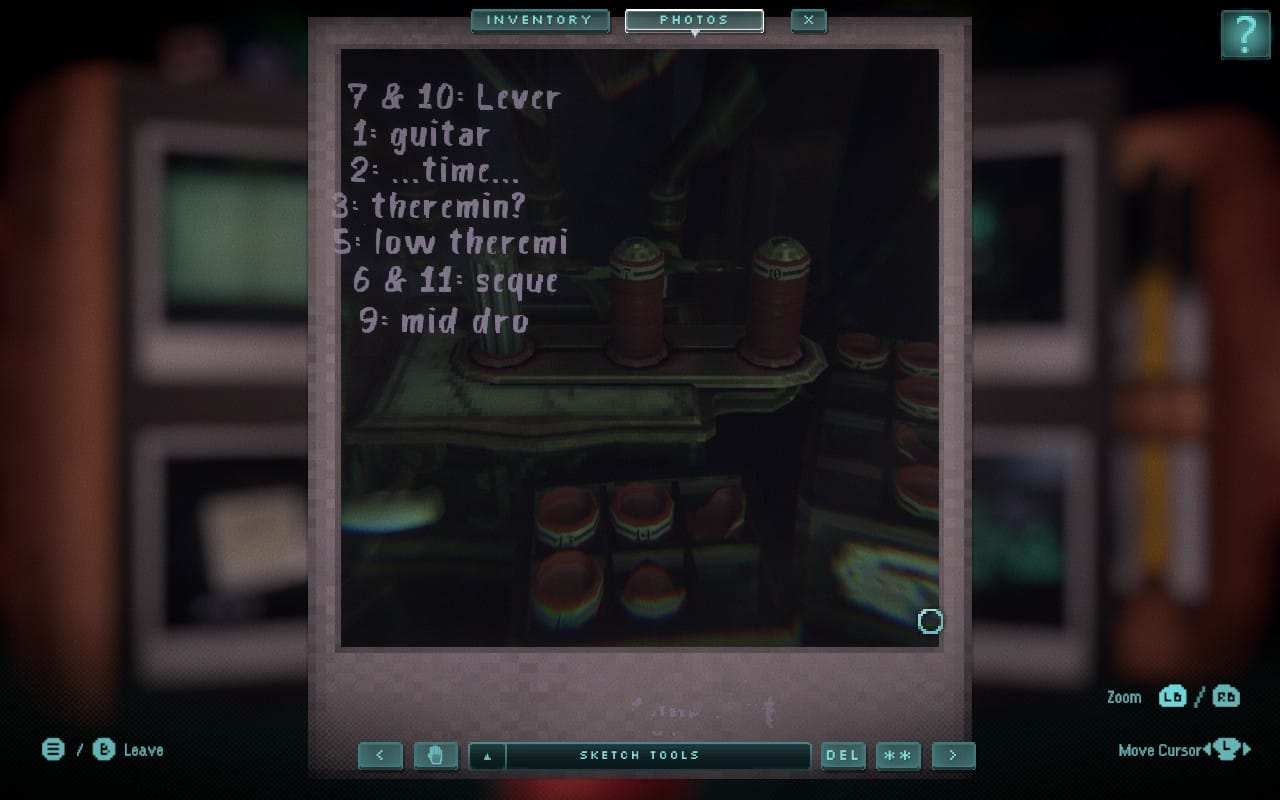
This is how I played Dimhaven: The Lost Source: I find a poster on the wall that clearly has "this is a clue" energy. I take a photo of said clue. I walk around the environment and pick up an item similar to the one depicted in the previously mentioned poster. I now wander some more and find the place where the item I picked up can be inserted. I take a photo of the puzzle zone, combine that knowledge with the poster, and go about solving the puzzle on the photo I took of the puzzle zone. Once I have a workable solution, I then select the button that lets me hold the photo like a Polaroid in my left hand, and input the solution. Done.
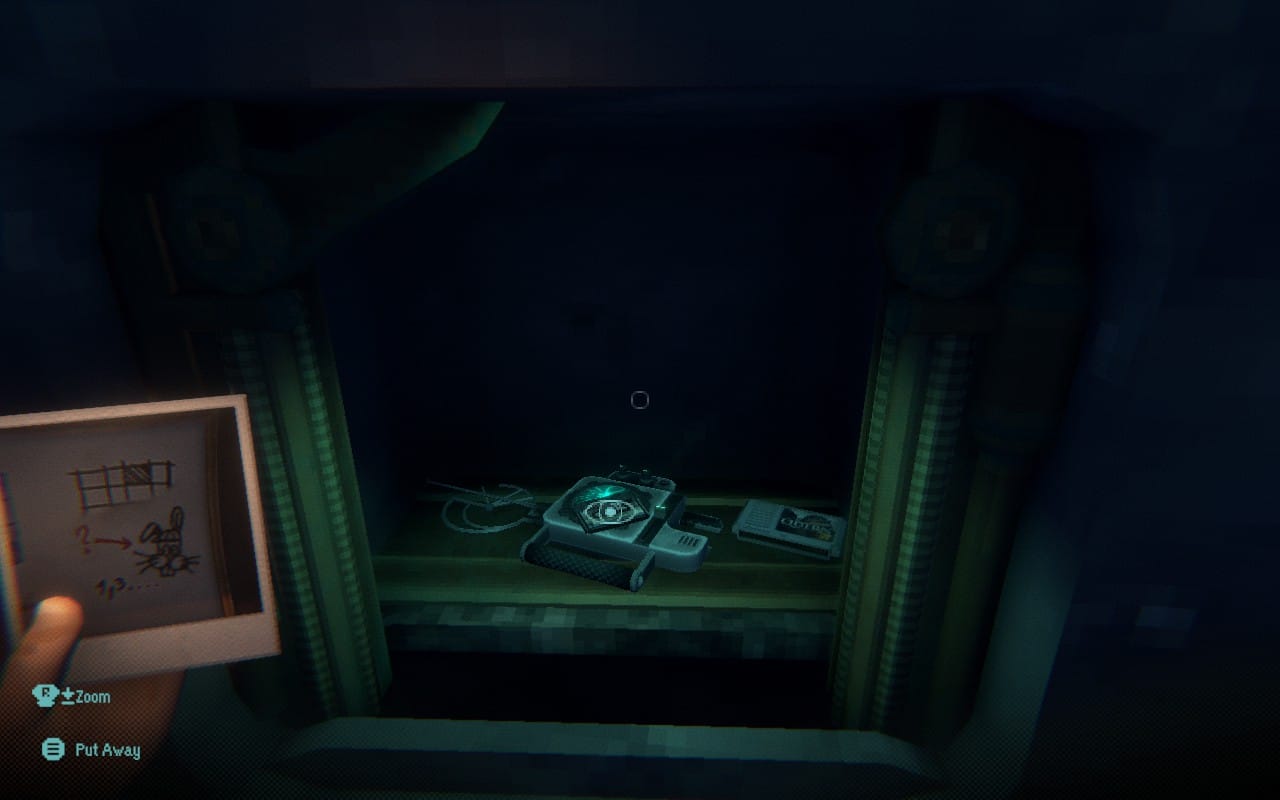
Every piece of iPhone photography and notebook work has been condensed into the gameplay experience, including not needing to do the tedious look up and down to your notes to make sure the solution is input correctly.
I loved my time with Dimhaven: The Lost Source. I think it's a wonderful Myst-style game with a ton of exciting puzzle types that will keep you engaged and thinking throughout the full runtime. There are simple item-goes-in-item puzzles, there's a twist on a pipe maze (because of course there is), there's a Clue-like murder mystery puzzle, and that's not including the truly cosmic weird ones at the end. But, more than the story or the excellent worldbuilding, the thing that will remain with me long after I forget the phone number to call for a joke, is the exceptional design decision to make the camera core to the gameplay.